
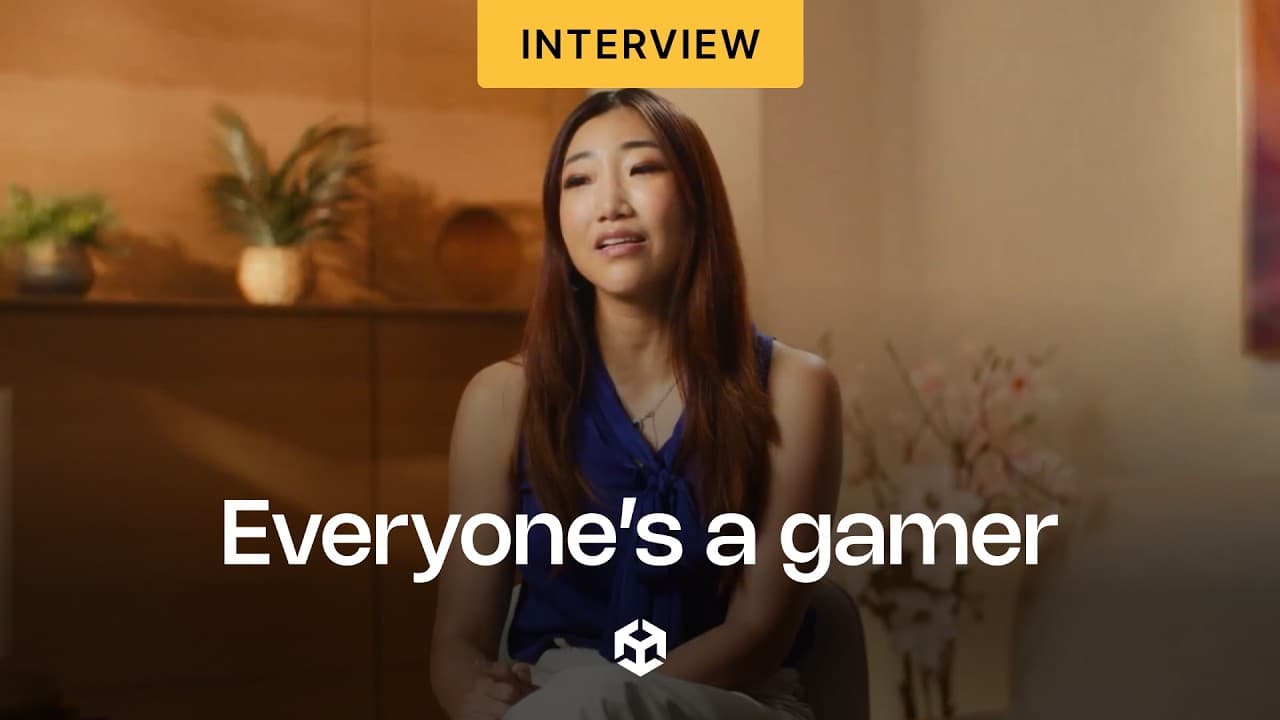
Mobile gaming reaches one of the broadest, most diverse audiences in digital media, and the leaders we spoke with are watching the perception gap close. The old framing, that gaming skews young and male, has been out of date for years, but it persists in how some brands still plan and budget. We asked a range of leaders across the ecosystem a simple question: what's the biggest misconception about who's actually playing?
Their answers converged on the same point from different angles: the audience isn't niche, it's mainstream, and it has been for some time. Mobile gaming isn't confined to a console or a dedicated session, it happens in waiting rooms, on commutes, as a second screen during a show. That prevalence is itself part of the audience story.
““The biggest misconception about gaming audiences today is that it's a narrow, niche audience. The reality is it’s everybody. It cuts across lifestyle, gender, and household income. Everybody has a phone, and everybody is sitting in an environment, whether it’s in a waiting room or on a train, where they are playing a game.””

Chance Johnson - Nexxen
Chief Commercial OfficerThe data backs this up. A recent eMarketer study found that over 60 percent of the US population plays games, a figure that cuts directly against the demographic assumptions still baked into a lot of media plans.
“"An eMarketer study came out where over 60% of the US population are gamers, and it's not just male audiences. You have moms, you have women, you have Gen Z, millennials. It's a broad-reaching audience, not just that niche audience that's hard to reach."”

Heather Carver - tvScientific by Pinterest
Chief Customer OfficerAge is where the gap between perception and reality is often widest. The average gamer skews considerably older than most marketers assume, and casual gaming in particular draws a different demographic profile than the hardcore stereotype suggests, one with real spending power behind it.
“"There are more gamers over 25 than under 25. The average gamer age for every platform is around 35 years old, and specifically for casual gaming, it skews female, millennial, Gen X. The global gamer is usually among the first adopters to do m-commerce. It's an audience with a large amount of disposable income and a high-consuming life."”

Gabrielle Heyman - Zynga
VP of Ads“"I think it's a big misconception about the mobile gaming audience that it's only going to be young males, but it's actually very wrong because mobile gaming is coming from all audiences. There are a lot of older females also playing different types of games. And because there are different types of games, it's going to be fitting towards all audiences."”

Phoena Pang - Mintegral
Vice President of Global Sales and PartnershipsFor brands and agencies, the strategic implication goes beyond simply expanding who you think you're reaching. It's about recognizing that gaming audiences carry distinct motivations and signals, intent, timing, engagement, that can inform far more than the media plan's gaming line item alone.
“"That niche audience is actually very broad. It's your parents, it's children, it's males, but it's also females and colleagues. It's a different set of motivations of people who are gaming, and a really interesting opportunity for all brands to bring in those signals, that timing, that intention, that engagement."”

Lauren Wetzel - WPP
Global President of Data and Technology SolutionsWhat this means for digital advertising teams: plan around audiences, not channels. The gaming audience is mainstream, highly engaged, and backed by data at scale. That's exactly the opportunity Unity Programmatic solutions is designed to unlock.
*We invited guests into our content studio to share their perspectives on the mobile gaming industry. The views expressed are their own.