Strange Scaffold's Xalavier Nelson, Jr. on picking projects for impact
Xalavier Nelson, Jr. - Strange Scaffold
Creative Director
At GDC, Unity sat down with Xalavier Nelson Jr., the prolific creative director behind Strange Scaffold – an indie studio known for punching well above its weight with a steady stream of inventive, critically acclaimed games across wildly different genres. The following blog is transcribed from his answers in that discussion.
Over the years, he’s developed a sharp instinct for knowing which ideas are worth chasing, and he walks us through his DIDIT framework for evaluating projects and features to decide what will actually resonate with players. He also shares why he sees game development as something bigger than shipping a product: a way to build genuine community alongside amazing games, and a bit about the inspiration behind Strange Scaffold’s latest release, Truck-Kun is Supporting Me from Another World?!
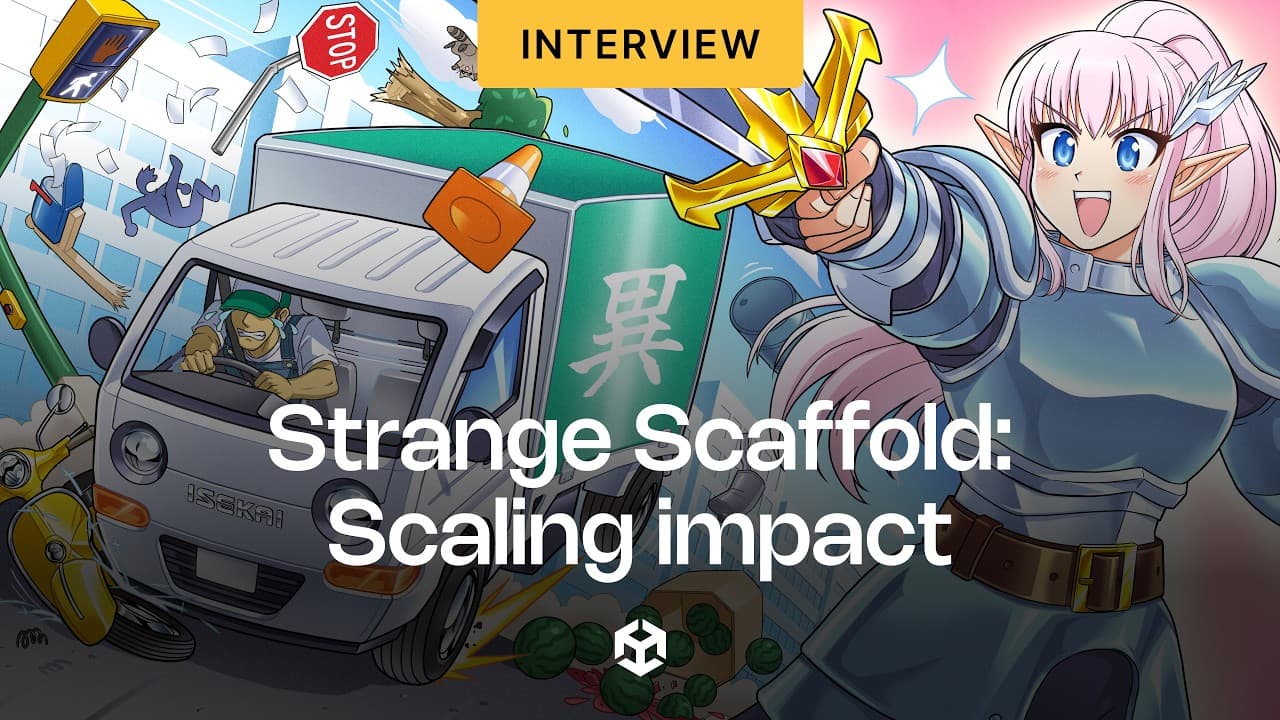
Interview with Xalavier Nelson, Jr.
Every game you play is a tapestry of decisions. It is compromises; it is meetings; it is something that one developer put in because they thought it would make the game more special and it turns out they were right--or they were wrong, and a bunch of people worked together to turn it into something that would work.
We've released 18 games in the last six years, the latest of which is Space Warlord: Baby Trade Simulator. I also got the chance to collaborate with other studios and learn and exchange information with them. So I've worked on everything from Magic: The Gathering to Borderlands 4 – over 110 titles in the last 10 years. And yes, I'm tired.

Space Warlord Baby Trading Simulator, Strange Scaffold
The constellation model for Strange Scaffold comes from an inherent reaction to the instability of games. I knew that, especially as a founder of a studio who does not come from money and is coming from a marginalized background, everyone struggles with funding, but I had even more stacked up against me.
I wanted to have a mechanism through which me and the people around me could come together and split apart flexibly to survive. So, Strange Scaffold is all part-timers, all using very precise budgets and timelines and resources to get games shipped, pay people fairly, and figure out how we can, as a collective, support people to make more boats rise in the games industry. So that's why, even when we're working together, I'm helping people inside the studio to start their own studios and hire people from inside.
The more places people have to learn and get paid and share with each other, the more that especially working-class people can react to an industry that all too often treats its talent as disposable, or with a benign neglect that assumes the best will just stick around. We're showing up for the people that we can, as much as we can, within our pretty limited resources.

Space Warlord Baby Trading Simulator gameplay
A project at Strange Scaffold does not start unless I have a business case for it. I need to know what type of player it's for, I know how long we're gonna develop it, what our budget is going to be, what the narrative arc is, what I need for the aesthetic and the gameplay loop... I have this entire arc of what the game is and what it fulfills for our players and for our team.
Describing my internal algorithm recently, I came to this acronym I call DIDIT: Direction, Impact, Dependencies, Iteration, and Time. I'm measuring any potential feature or decision against these five factors to figure out if something is worth doing, and whether it accomplishes the goals for our project and what it brings to players in the process.
My favorite comparison is that it's a “should” button – because there's a lot of can buttons. You can always put another thing into a game.. The advent of generative AI gives people a lot tools to say can, but there are precious few that are helping you find the answer to should. And when you, with a DIDIT-style approach, are looking at whether a feature elevates the game and suits the team, that precision means you can bring players genuinely necessary things in a way that's both effective and sustainable.
I choose Unity because it allows me to empower the people I work with to do work in a way that makes more sense for them. They get to build the tool sets they believe in, they get to choose even the version of Unity and the rendering pipeline of Unity that best suits the goals of our project, and we get to just focus on creation rather than anything else.
No one is imposing a standard way to build things on us, or making it harder for us to explore new horizons. or If I'm not making games that are typically in a genre, I don't have to bend and break the framework of the system to be able to create work that I believe in and that my players will love.
Unity lets me look at a game concept and really figure out how to build, from the ground up, the tooling and development approach that lets the game and team become the best versions of themselves.

Truck-Kun is Supporting Me from Another World?!, Strange Scaffold
My favorite thing about the game is that it came from a conversation with my wife. My wife is an anime fan. She is my best friend.
Truck-Kun is Supporting Me from Another World?! is an anime-themed arcade driving game. Hit a high-powered marketing girl boss with your car, and – good news! – your car is magic. So she was just transported to another world, and now you are slamming into things at high speed, conducting deliveries and beating missions so that you can support the person you have transported to another world. She can kill the skeleton king, get the scroll of resurrection, and come back home in time for her promotion.
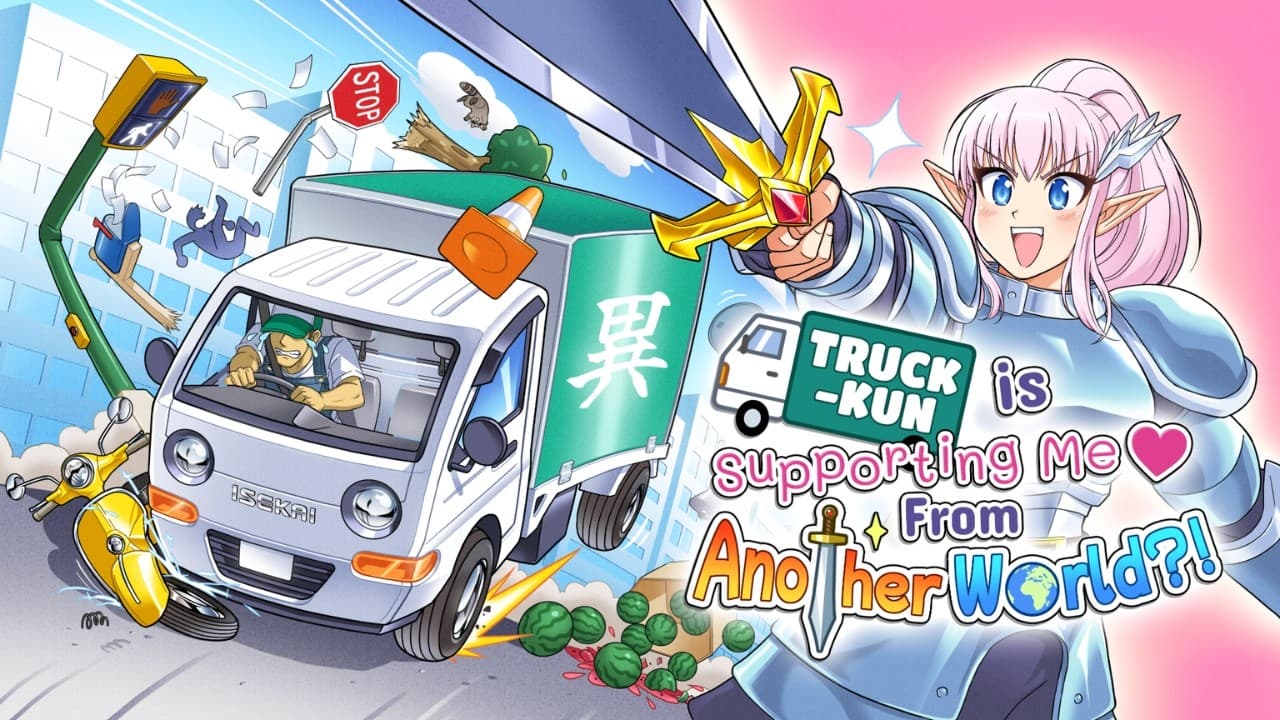
Truck–kun Is Supporting Me From Another World?! trailer
I think what makes this game special for me, there's two things. The first one is that we have found a way of driving that is both loose and expressive. We lose time in meetings regularly, just driving around our little mini sandbox city and knocking things over and knocking pedestrians into another world where they turn into monsters that Carissa, our protagonist, kills for XP. They're fine, it's fine, don't worry about it. She's gonna come back home, don't worry about it. But outside of that, just how good it feels to navigate through the game world and just kind of exist there.
You can say I fall in love with games when I see the people who make them and how their creative voice manifests in their projects. I want to give those tools to our players and show them more reasons to love the games that they already adore.
When people are allowed to tap into who they are to make games, they make games better. Their sensibilities are what the game is composed of. So really intentionally being taught by shipping how to evolve a creative practice and turn that into something that you see across all of the games they work on.
Check out more of Strange Scaffold’s titles, including the recently announced El Paso Elsewhere 2. Find more resources for indie developers in our Indie Survival Guide.