The transformative power of real-time 3D for industries

The accelerated pace of today’s digital innovation is reshaping industries and consumer expectations at breakneck speed. Now, thanks to the boost provided by extended reality and generative AI, the pace of this digital evolution has further increased.
In recent times, particularly during the pandemic, businesses across the globe have had to adapt and innovate technologically to meet rising customer expectations. Immersive experiences are at the forefront of this digital revolution, with extended reality (XR), augmented reality (AR), and virtual reality (VR) creating new dimensions for interaction and engagement.
Extended reality (XR)
XR encompasses the whole spectrum of reality technologies, including AR, VR, and everything in between.
Augmented reality (AR)
AR is an interactive experience where objects residing in the real world are enhanced by computer-generated information.
Virtual reality (VR)
VR is a fully immersive experience where the user is transported into a completely digital environment.
The rise of real-time 3D technology furthers this trend, offering seamless, lifelike virtual experiences. Generative AI has added a dynamic layer to this innovative process, fostering development and pushing boundaries like never before. This relentless wave of digital innovation, propelled by investments from big tech companies in AR, VR, XR, and now generative AI, is not just transforming how we experience the digital realm, but is setting a new standard for what customers consider the norm.
XR has long been the realm of science fiction. Today, however, it is reshaping industries from healthcare to retail. VR, for instance, transcends gaming realms in areas such as employee training and architectural design. AR is pivotal in enhancing the shopping experience, allowing customers to visualize products in their daily lives before purchase.
The applications of XR can be groundbreaking. For sales, showcasing products in immersive environments can dramatically boost engagement and sales conversion. In manufacturing and design, XR can streamline product development and prototyping processes. Business leaders must pay attention to these technological frontiers, as they represent not only an opportunity to innovate but to lead in industries ripe for disruption.
RT3D – A game-changer for business
Real-time 3D (RT3D) technology stands as a pivotal innovation in immersive experiences, offering a dynamic platform where virtual environments can be created and interacted with in real-time. Unlike prerendered graphics that are static and immutable, real-time 3D allows users to engage with and modify the digital environment in the moment, paving the way for highly interactive and customizable experiences. It is particularly influential in sectors like gaming, architecture, manufacturing, automotive, and retail, where the ability to explore, manipulate, and experiment within virtual spaces can significantly enhance understanding, creativity, and engagement. Additionally, real-time 3D is instrumental in the development of simulators and training modules, providing a safe and controlled environment for practicing skills ranging from surgery to flying airplanes. The integration of this technology into various industries not only signifies a leap forward in how we consume digital content but also broadens the horizon for future innovations in immersive experiences.
Real-time 3D technology has emerged as a revolutionary force; business leaders are realizing its potential and incorporating it as a core component of their strategic initiatives. Here are four major ways it’s positively impacting how global companies operate:
- Accelerated growth through immersive experiences: The capacity to visualize products in high fidelity can captivate customers, encouraging engagement and increasing sales. In a competitive landscape, real-time 3D can be an essential driver of growth.
- Streamlined product development: Real-time 3D technology facilitates efficiency in product design and development by enabling designers and engineers to iterate rapidly, identify design flaws earlier, and make swift corrections. This minimizes costly errors and speeds up time to market. The collaborative nature of real-time 3D platforms also improves asset control and teamwork, further expediting the creative process and solidifying an agile production pipeline.
- Differentiated customer experiences: Real-time 3D lets businesses offer customers unique, interactive, and memorable experiences. Virtual showrooms, product customizations, and immersive brand storytelling can elevate a customer’s engagement with a company, significantly boosting conversion rates and nurturing lasting brand loyalty.
- Increased training and skill retention: Training is another area where real-time 3D shines, providing realistic simulations and scenarios for hands-on learning without the risks associated with physical setups. It drives knowledge retention and operational understanding, especially in complex, high-stakes environments. This, in turn, can lead to lives saved, increased workplace safety, and significant advancements in environmental, social, and governance (ESG) initiatives through more thorough and impactful training methods.
Real-time 3D can be a powerful force that changes businesses, and it is important to understand how it brings that change about. It helps leaders reimagine how their companies operate, by focusing on:
- Reduced costs through improved processes: Real-time 3D technology offers the means to visualize entire workflows, which helps identify and eliminate bottlenecks and inefficiencies.
- Immersive and accessible data: Being able to optimize complex datasets for interactive real-time visualization helps teams run through scenarios, analyze data on the fly, and make informed decisions without the time-consuming process of rendering static visualizations.
- Connection and collaboration: Real-time 3D technology facilitates a shared 3D space, an immersive environment where employees and clients can collaborate as if they were physically present. Such shared experiences break down geographical barriers and enable collaboration on asset design, training, and operations from anywhere in the world.
- Differentiated experiences: By leveraging the latest in headset and 3D technology, businesses can provide unique and personalized experiences, giving them a competitive edge in attracting customers and nurturing employee talents. Whether it’s immersive training modules for staff or interactive product demos for customers, real-time 3D builds captivating experiences that engage, inform, and entice.
Real-time 3D positions businesses at the forefront of innovation. It is not merely a matter of outshining the competition temporarily; it’s about building a long-term vision that incorporates the most impactful technological advances to avoid the costly consequences of stagnation.

The 3D revolution: How businesses are leading the way
Businesses are not just witnessing the transformation; some are at the forefront of adopting cutting-edge technologies and making substantial investments in interactive 3D applications. Here’s the evidence:
- 70% of C-suite technology executives at large enterprises are exploring investing in digital twins. This enormous interest signals a paradigm shift where immersive experiences are becoming the backbone of business innovation.
- 56% of interactive 3D adopters report cost savings alongside a boost in sales. The technology is turning into a pillar for financial strength because it streamlines processes, enhances product visualization, and offers customers an unrivaled depth of interaction – factors that culminate in operational efficiency and sales efficacy.
- 97% of non-adopters believe real-time 3D technology would improve or revolutionize their workflows and processes [Digital Experiences In The
Physical World, Forrester Consulting (March 2020)]
Today’s 3D technology has broken free from the confines of entertainment and gaming into a wide array of industries. Business leaders are harnessing the power of 3D to drive change, solve practical problems, and deliver extraordinary user experiences. Here are some compelling customer stories that illustrate its impact:
- Automotive: This sector is elevating driver experiences with 3D innovation. Take Brose, for example, an international leader in mechatronics. By incorporating 3D into their marketing strategy, they’ve been able to achieve over €500,000 (~$534,000 USD) in savings on marketing content production costs over two years. With the ability to create promotional videos in a fraction of the traditional time – four to six weeks instead of four to six months – they’ve boosted efficiency while ensuring brand consistency through their asset library.
- Lifestyle: Fashion and lifestyle brands are boosting sales through 3D technology. Luxury luggage manufacturer Globe-Trotter is a prime example: By building a unique immersive shopping experience, they allow customers to confidently buy $2,700 custom luggage without seeing it first. This approach not only enhances the buying experience but also increases repeat purchases, leading 40% of consumers to buy more expensive items than intended because their experience was personalized.
- Logistics: This industry faces the ongoing challenge of efficiently training a large workforce while increasing knowledge retention. By creating visually realistic, effective, and tailored simulation training, HR Wallingford improved vessel pilot skills with simulation technology, reducing training program delivery time for many ships and ports.
- Food industry: Training experiences built with real-time 3D technology have shown an impact on customer satisfaction in the food industry. Carl’s Jr., known for their quick-service restaurants, leveraged 3D technology to reduce training costs by 73% for their franchise employees. This substantial cost reduction is paired with a 43% increase in customer satisfaction and the highest possible score during a company audit.
- Construction and engineering: Where precision and planning are everything, 3D innovation emerges as a powerful tool to lessen costs and reduce risks. Mortenson uses 3D simulations to allow clients to virtually explore building designs before construction starts. This approach not only enhances design quality but also speeds up the decision-making process, cutting costs significantly. For instance, a client using VR to review a virtual model spotted a potentially expensive design flaw early on, saving over $500,000 by addressing it before construction commenced.
From savings in content production to enhanced customer experiences and operational efficiencies, these examples underscore the versatility and benefits of real-time 3D technology across multiple sectors, demonstrating how business leaders are applying the technology to their challenges and ambitions.

Image courtesy of HR Wallingford
Navigating RT3D: Strategic considerations for leaders
When determining how to integrate RT3D technology into their operations effectively, leaders must make four strategic considerations:
1. Capturing ROI: The case for technology investments is around financial viability and long-term payoffs. To capture ROI, it’s essential to:
- Identify specific business needs that RT3D technology can address.
- Evaluate cost-saving opportunities like reduced material waste, accelerated product development, and minimized errors.
- Forecast revenue growth by enhancing product offerings or entering new markets.
- Consider the intangible benefits, such as brand reputation and positioning as an industry innovator.
2. Competition and talent acquisition: A significant challenge facing leaders is the fierce competition for talent possessing both technical expertise in 3D technologies and industry-specific experience. Businesses need to:
- Invest in upskilling current employees, and fostering a culture of continuous learning.
- Creatively source talent by looking beyond traditional recruitment methods to find people with a blend of skills.
- Collaborate with educational institutions to shape curricula that align with future industry needs.
- Leverage partnerships with 3D technology providers for training and support.
3. Longevity and support: Companies need assurance that their investment won’t become obsolete. To mitigate these concerns:
- Choose reputable providers with a track history of consistent updates and long-term support.
- Look for scalable solutions that can grow and adapt to your business.
- Get transparency from vendors regarding their development roadmap and future features.
- Incorporate flexibility in your business plans to pivot as necessary when technology evolves.
4. Implementation and scaling: Companies must evaluate the complexity of the technology and the availability of resources, and if both will scale to meet their business needs:
- Start with a pilot project to measure impact and scalability potential.
- Analyze workforce impact to understand the need for additional resourcing.
- Integrate 3D technologies into existing workflows without causing significant disruptions.
- Invest in infrastructure that can accommodate the growth of 3D technology applications.
By addressing these considerations with a well-planned approach, decision-makers can ensure that their investment in 3D technology is a concrete step towards sustainable growth and competitive advantage through interactive and immersive experiences.
Delivering immersive experiences: Steps to consider
To deliver compelling and immersive experiences, there are four steps crucial to harnessing the power of RT3D technologies:
1. Strategic vision and planning
- Clarify goals: Determine what you aim to achieve with RT3D technology. Whether it’s enhancing customer engagement, streamlining operations, or offering cutting-edge training solutions, setting concrete outcomes will guide your strategic direction.
- Strategic planning: Conduct thorough data audits to understand the current landscape and define critical problem areas. Then, set clear objectives and design actionable steps for your venture into immersive technology.
2. Identify use cases and assess resources
- Identify use cases: Recognize the critical challenges within your business that RT3D technologies can address, and prioritize use cases based on the value they add to customers and employees. Whether it’s for simulations, interactive visuals, or virtual collaboration, identifying the right applications will streamline adoption and maximize impact.
- Assess resources: Do you have the in-house expertise to develop and manage RT3D solutions, or is it more strategic to partner with an external agency? Assessing your team’s capabilities and resources is vital in creating a realistic plan that considers potential collaboration for a scalable and innovative RT3D environment.
3. Launch pilot and build foundation
- Solution testing: Before going full scale, launch a pilot project to test the core functionality of your RT3D solution. Make sure that the initial integrations align well with your strategic goals and address the defined use cases effectively.
- Foundation building: Use the learnings from the pilot to solidify the foundation for your RT3D initiative. Assess the performance against set objectives, adjust where necessary, and prepare the groundwork for scaling the solution and incorporating new features.
4. Build and deploy at scale
- Center of excellence: Consider establishing a Center of Excellence (CoE) within your organization. A CoE serves as a hub for expertise, standardization, and best practices that drive the immersive initiatives and ensure consistency and excellence as you deploy at scale.
- Continuous improvement: Implement a cycle of continuous feedback and iteration to refine the solutions. Leverage data insights to improve, innovate, and stay ahead in delivering exceptional RT3D experiences.

The potential of RT3D for business: Some use cases
Real-time 3D technology is no longer confined to the world of gaming and entertainment, though it has learned a lot from them. Today, it’s revolutionizing various industry sectors by offering businesses unprecedented ways to visualize products, simulate training environments, and enhance customer experiences. Let’s discuss some use cases.
1. Immersive training to empower employees
Traditional training methods are often inadequate, leading to low retention and high costs. They fall short of ensuring employees fully grasp complex concepts and procedures. Real-time 3D helps you create immersive training experiences that enhance skills and knowledge retention.
Imagine maintenance staff performing virtual repairs on equipment, learning procedures hands-on without the associated risks or costs of real-world training. Or picture sales teams navigating interactive 3D spaces to better understand the products they sell, making them more effective and confident in their roles.
These are just some examples of how empowering employees with immersive training can translate into a significant return on investment. On the other hand, traditional employee training methods face a myriad of challenges that diminish their effectiveness, including:
- Poor retention and recall: Classroom-based sessions can lead to low engagement, which hampers knowledge retention.
- Prohibitive costs: Expenses associated with travel, physical training spaces, and instructor-led sessions add up quickly.
- Scalability issues: It’s often a complex task to develop a training program that is adaptable across an entire organization.
- Technical limitations: Deploying and ensuring that training applications perform seamlessly across various platforms and devices can be a difficult hurdle to overcome.
Here are the major benefits of immersive training solutions:
- Jump-starting development with 3D assets: By utilizing a comprehensive 3D dataset, companies can escalate the development of immersive training that matches their specific curriculum needs. Tools such as Unity’s Pixyz – for quickly importing, prepping, and optimizing large CAD, mesh, and point cloud models for real-time visualizations – and premade 3D assets from the Unity Asset Store allow for the rapid creation of environments that closely replicate actual workspaces and situations. AI-generated textures and materials can add depth to scenes.
- Boosting retention with engaging, scenario-based experiences: Creating immersive scenarios with precise control over audio-visual elements revolutionizes how employees interact with training materials – going beyond observation to direct interaction with the environment, which enhances learning retention.
- Deploying scalable experiences across devices: Cloud-based infrastructure allows efficient scaling of applications while ensuring cohesive performance across devices, facilitating anytime-anywhere learning.
With immersive training, costs are significantly reduced, engagement and retention of knowledge are boosted, and the training material can be delivered anywhere across the globe. Studies have shown trainees complete training up to four times faster and feel up to 275% more confident* to act on their learning when trained in virtual reality environments rather than in conventional training.
*The Effectiveness of Virtual Reality Soft Skills Training in the Enterprise, PWC (June 25, 2020)
Dr. Ryan Moore, CCH
“We’re saving lives, we’re able to better educate, and better provide good responses in very difficult situations. What we’re able to do with 3D applications is life-changing.”

Dr. Ryan Moore - Cincinnati Children's Hospital
Pediatric Cardiologist & Director of Digital Health InnovationCustomer spotlight | Cincinnati Children’s Hospital
This Unity customer has adopted immersive training methods and they’re realizing multiple benefits. For example, their surgeons are enabled to quickly create and utilize 3D models for urgent medical procedures; they have virtual environments allowing patients to engage in their own healthcare; and they can invite surgeons from around the world to collaborate within virtual spaces. All of these allow them to share insights and plan surgeries with a level of interaction that was previously impossible.

2. Immersive 3D collaboration to boost efficiency
Effective collaboration is core to a successful business. Real-time 3D technology offers an innovative collaboration platform that enables teams to interact dynamically with complex models and prototypes, discuss potential changes, and test outcomes in a virtual space accessible from anywhere in the world. This level of interaction and visualization equips teams to make informed decisions faster and with greater confidence, thus reducing the time and resources spent on product development cycles and operational planning.
While traditional collaboration tools have their place, they often fall short when the task is to share and understand data that’s inherently three-dimensional. Here are some common challenges in the handling of 3D data:
- Isolation of nontechnical stakeholders from vital project discussions because sharing and understanding 3D data requires specialized tools and knowledge
- Assets are expected to have high visual fidelity in the early stage of project development
- Fragmented data and limited lifecycle visibility lead to operational inefficiencies, increased costs, and expensive redesigns
- Visualizing large models often leads to loss of metadata and poor app performance
Immersive 3D collaboration solutions unlock data and improve project delivery:
- Harnessing data with compatibility and optimization on import: Simplify your view by merging varied data sources into a unified framework. You can recreate assets and environments using the existing data, aided by Pixyz’s CAD optimization algorithms.
- Increasing collaboration and driving decisions with data: Streamline your processes and engage with your team and key project influencers in real-time within a single visualization environment. 3D data is compressed and streamed to any device, ensuring large models remain within everyone’s reach.
- Creating scalable experiences designed for expansion: Scale your application efficiently by improving cross-platform consumption. With a cloud-based infrastructure, your metadata is always preserved and experiences perform on any device.
With immersive 3D collaboration solutions, you get more out of the data you already have, with stronger stakeholder collaboration and communication, reduced costs through reduced rework, and experiences that can be deployed anytime, anywhere.
Timmy Ghiurau, Volvo
“From car design all the way to consumer-facing experiences, we’re using Unity to bridge departments and enable better collaboration.”

Timmy Ghiurau - Volvo
Innovation Leader, Virtual ExperiencesCustomer spotlight | Volvo
This carmaker has revolutionized its product lifecycle by implementing immersive 3D collaboration. Now its teams can connect at each stage of the process, from design and R&D to consumer-facing applications, using Unity as a unifying platform. This has accelerated design iteration and reduced costs, with engineers and designers able to work collaboratively in an immersive environment to see the same virtual vehicle. Furthermore, Volvo has significantly cut its reliance on expensive prototypes, only creating physical models at key milestones and using virtual experiences for research, user testing, and iterative design. This efficient process has empowered Volvo to streamline production.
3. Immersive experiences to increase customer engagement
In a digital age where most consumers crave interaction and personalization, real-time 3D technology can be leveraged to attract and retain customers. Interactive 3D product demos provide an immersive experience that 2D images and videos cannot match. Customers can explore products at their own pace, customize features in real-time, and make informed purchase decisions, ultimately boosting engagement and loyalty.
Such immersive experiences are not just limited to high-end consumer goods but can be effectively utilized across industries such as real estate, automotive, and education, offering potential buyers and students a “try before you buy” experience that can influence their decision-making.
Common challenges in traditional marketing:
- Professional photoshoots for products are costly and time-consuming, especially for complex or premium items.
- Communicating design concepts effectively to nonexperts can often extend sales cycles and increase the risk of losing potential customers.
- Failing to meet the expectations of digital-first consumers with engaging online experiences can lead to high return rates, increased operating costs, and diminished profits.
- Delays through cross-team coordination and collaboration issues can significantly slow down product launches.
The benefits of building and scaling immersive customer experiences:
- Maximize the potential of 3D data for captivating customer experiences: Businesses can offer customers the opportunity to engage with products in a whole new way by transforming existing 3D and CAD data into precise, immersive experiences.
- Efficiently deliver customer experiences across all platforms: Whether customers are browsing on their desktops, mobile devices, or even through the latest AR and VR headsets, the experience can be created such that it is seamless and captivating. The process of creating and updating this content can also be streamlined to save time and resources.
- Effortless 3D content distribution: Significant time savings can be achieved by streamlining the hosting and global distribution of immersive, content-rich experiences, allowing updates without user reinstallation.
The results speak for themselves: 76% indicate that these experiences increase their purchase confidence. Businesses see increased conversion rates due to enhanced product interactivity and visualization, customers are more satisfied and loyal because of the deeper brand connection, and costs to the business are reduced through streamlining of operations.
Julien Berta, SmartPixels
“Thanks to Unity, achieving rich visuals and realistic renderings has become an exciting and efficient journey for our team. Unity's dynamic lighting and shading have empowered us to create visually stunning 3D renderings.”

Julien Berta - SmartPixels
PresidentCustomer spotlight | Camille Fournet
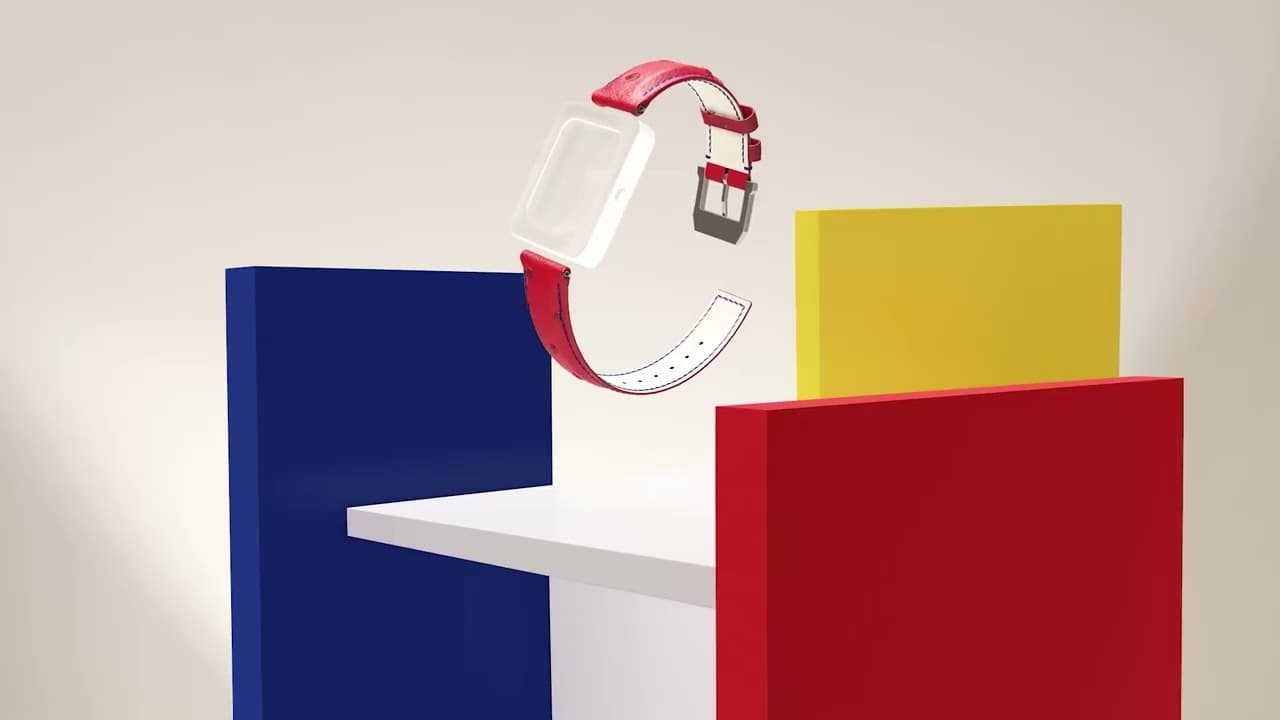
This prestigious Paris-based luxury leather goods brand has significantly enhanced its e-commerce platform by implementing a real-time 3D product configurator for their leather watch straps (built through a partnership with SmartPixels and powered by Unity). The immersive solution has dramatically improved the online shopping experience by offering photorealistic 3D visuals and allowing customers to interact with a myriad of customizable options, leading to a 5x increase in conversion rates and a 66% boost in user engagement. The configurator supports over trillions of combinations, adhering to intricate manufacturing constraints, thanks to advanced data modeling and the powerful rendering capabilities of Unity. The digital experience not only mirrors the personalized in-store experience online but also streamlines the production process, solidifying Camille Fournet's position at the forefront of luxury retail innovation.
4. Embedded systems to enable next-gen experiences
Real-time 3D technology isn’t just for standalone applications; it can be embedded within systems to create dynamic user interfaces and dashboards that integrate live data. For instance, in automotive applications, dashboard controls and navigation systems can provide an immersive, lifelike representation of driving data and surroundings. In healthcare, real-time 3D visualizations can assist surgeons with complex operations by providing them with a detailed, 360-degree view of the surgical area, leading to improved patient outcomes.
Here are the major challenges of innovation in embedded systems:
- Integration of advanced features: For products reliant on embedded systems, innovation means integrating complex features such as advanced driver-assistance systems (ADAS) visualizations, highly detailed 3D maps, and interactive user interfaces that provide a seamless and responsive experience.
- Continually enhancing customer experiences: The automotive industry is seeing unparalleled evolution in the expectations of drivers and passengers. What once was a simple dashboard infotainment system is now a full-suite, integrated hub of navigation, entertainment, and connectivity features.
- Slow and expensive development styles: Designers and developers often work with different sets of tools, leading to inefficiencies in communication and conversion, hindering quick iterations and adaptations to market demands.
- Custom-built tools: Such tools struggle to keep up with rapidly shifting consumer expectations.
The benefit of building and scaling embedded systems with Unity:
- Jump-start development: Like game development, creating embedded applications and entire user experiences has become almost inherently more accessible to a broader audience. Unity’s vast community of creators and wealth of resources mean developers can tap into a vast knowledge base, saving time by not having to reinvent the wheel.
- Empower developers: They can leverage the same familiar environment they use in creating other graphical content, dramatically reducing the learning curve and streamlining the development process.
- Build once, deploy anywhere: The assets used for embedded systems can be reutilized for web, mobile, and desktop environments.
Embedded systems come with stringent performance requirements, but with Unity, brands can deliver high-performance human machine interface (HMI) solutions that provide exceptional visual quality, even on standard automotive chipsets. Getting there will be easier, as the platform encourages a functional user experience that allows designers, developers, and other stakeholders to collaborate effectively, from the prototype phase throughout production. They can also deploy the same Unity project across different product lines and customize it based on trim levels, local markets, or other factors.
Rok Erjavec, TomTom
“The speed of integration that Unity enables was one of the deciding factors. It’s completely changed how we are able to evolve the product at a much faster pace and have tighter collaboration between different disciplines.”

Rok Erjavec - TomTom
Vice President of EngineeringCustomer spotlight | TomTom
This client experienced impressive results with embedded systems. Firstly, they saw greater performance due to access to an invaluable knowledge base and expert guidance, essential for innovation with their real-time product. Secondly, TomTom benefited from enhanced developer support through Unity’s Industry Success program, assisting in upskilling development teams and maintaining project focus. Finally, flexible configurations made workflows easier, as did broad support for a range of hardware and software platforms with scalable solutions.

Why Unity
With the rise of real-time 3D technology, enterprises are no longer shackled by the limitations of traditional 2D displays and videos. Instead, they can harness the power of interactive, lifelike environments to drive sales, training, and customer interactions. As a global leader in 3D content and software creation, Unity offers a comprehensive platform to innovate and deliver real-time 3D experiences in three main phases:
- Import: With extensive file compatibility and the integration of Pixyz, Unity has import tools that not only optimize but transform existing 3D data, making it ready for any kind of visualization.
- Create: With Unity, developers can leverage our years of advances in the interactive 3D field. Employ real-world physics to simulate the operation of your assets, and adjust lighting, friction, and visibility to mirror actual events.
- Deploy: Craft once and deploy massively across many platforms. The Unity Runtime allows content of any complexity to be interactively rendered in real-time on end-user devices, from mobile to AR/VR.
Implementing Unity as your real-time 3D platform is about more than just staying ahead of the technological curve. It’s about harnessing a platform that has been designed from the ground up with the needs of creators and the realities of deployment in mind. It’s also about investing in a holistic solution and services that are committed to your success at every phase of 3D project development.
Get the e-book
Fill out this form to access cutting-edge insights and solutions from industry experts


