Beyond data silos: 3 big data collaboration challenges solved by immersive technology

Organizations are constantly striving for ways to enhance decision-making and improve stakeholder collaboration. However, a key, yet often overlooked element in achieving these objectives is proficient data collaboration.
Data collaboration is the process of multiple individuals or organizations working together to collect, share, analyze, and derive insights from information. It involves the cooperative effort of different stakeholders to leverage their data resources for the benefit of their organization.
Central to data collaboration are tools and platforms that support information sharing, analysis, and visualization. Unfortunately, many organizations use tools that keep their data siloed and outdated, leading to challenges like limited visibility, communication breakdowns, and scalability issues. A centralized platform is crucial for addressing these issues and meeting an organization’s evolving needs.
Immersive 3D technologies provide new ways to manage and interact with data. Using these, traditional 2D data can be transformed into dynamic visuals and complex datasets can be integrated and optimized into centralized interactive, real-time visualization platforms.
This article will dive further into the challenges caused by insufficient data collaboration and explore three ways that immersive technologies can transform how companies share and use data to enhance communication and bring stakeholders together. We’ll learn more about:
- Streamlined data consolidation: Centralize data visualization in an intuitive and interactive 3D environment to simplify complex information.
- Contextualized data for clarity and action: Provide a real-time, comprehensive perspective of project metrics and progress, sparking proactive decision-making and operational adjustments.
- Platform-agnostic collaboration across borders: Create an environment where data speaks a common language that is accessible to all project stakeholders, regardless of their technical expertise or location.
Read on to discover more about the role immersive 3D technology plays in unlocking siloed data. Find out how companies like the Orlando Economic Partnership, Sitowise, and Volvo Cars have already harnessed its power to enhance urban planning, contextualize data, and enable cross-border collaboration.
1. Streamlined data consolidation
Organizational data is becoming more intricate and abundant, surpassing the capabilities of traditional data collection, management and storage methods. The challenge intensifies as external and internal stakeholders gather, manage, and store data independently for their specific needs. This decentralized approach results in employees losing an average of 12 hours a week chasing siloed data.

The role of immersive 3D technology
Immersive 3D technology streamlines data consolidation by providing a unified, interactive environment that centralizes data sources, such as CAD models, BIM data, point clouds, and mesh files, into a spatially accurate 3D environment, while preserving vital metadata and hierarchies.
Tools like Unity Asset Manager and Unity Version Control serve as a central hub for importing and transforming existing complex data formats into interactive, high-quality visuals that are ready for real-time, immersive visualization. They also ensure consistent real-time access to consolidated 3D data across all project levels, allowing teams to track changes, manage conflicts, and keep a clear audit trail.
This centralized approach not only streamlines workflows but also encourages better stakeholder collaboration and decision-making processes within immersive 3D environments.
Customer spotlight: Orlando Economic Partnership

Setting a new benchmark in urban planning, the Orlando Economic Partnership (OEP) leveraged Unity’s 3D technology to create one of the most extensive and immersive digital twins of a region. OEP’s digital twin merges data from multiple sources, including real estate, infrastructure, demographics, and urban planning. It provides stakeholders with a unified, interactive 3D platform that allows them to visualize the impact of proposed plans and make informed decisions.
2. Contextualized data for clarity and action
Spreadsheets, tables, and other tools for data collaboration can often disconnect data from its practical applications. This can pose a challenge when it comes to understanding real-world implications.
Complex data visualization and technical representation can also create barriers for non-technical stakeholders, limiting their ability to comprehend and contribute to data-driven decision-making. The need for data to be contextualized differently across teams and departments can also lead to siloed interpretations and hinder cross-functional collaboration.

The role of immersive 3D technology
By properly contextualizing data, like deploying AR to highlight equipment inefficiencies on a factory floor in real-time, immersive technology turns abstract information into an actionable and comprehensive format. This aids in speeding up response times and enhancing problem-solving capabilities.
Immersive 3D technologies excel in making spatial understanding and data visualization straightforward by adding an extra layer of analytic depth. This helps all stakeholders get a full understanding of information and supports group decision-making.
Platforms like Unity Cloud further boost collaboration and accessibility, allowing both internal and external stakeholders to interact with complex assets and environments anywhere with internet access in real-time.
Customer spotlight: Sitowise
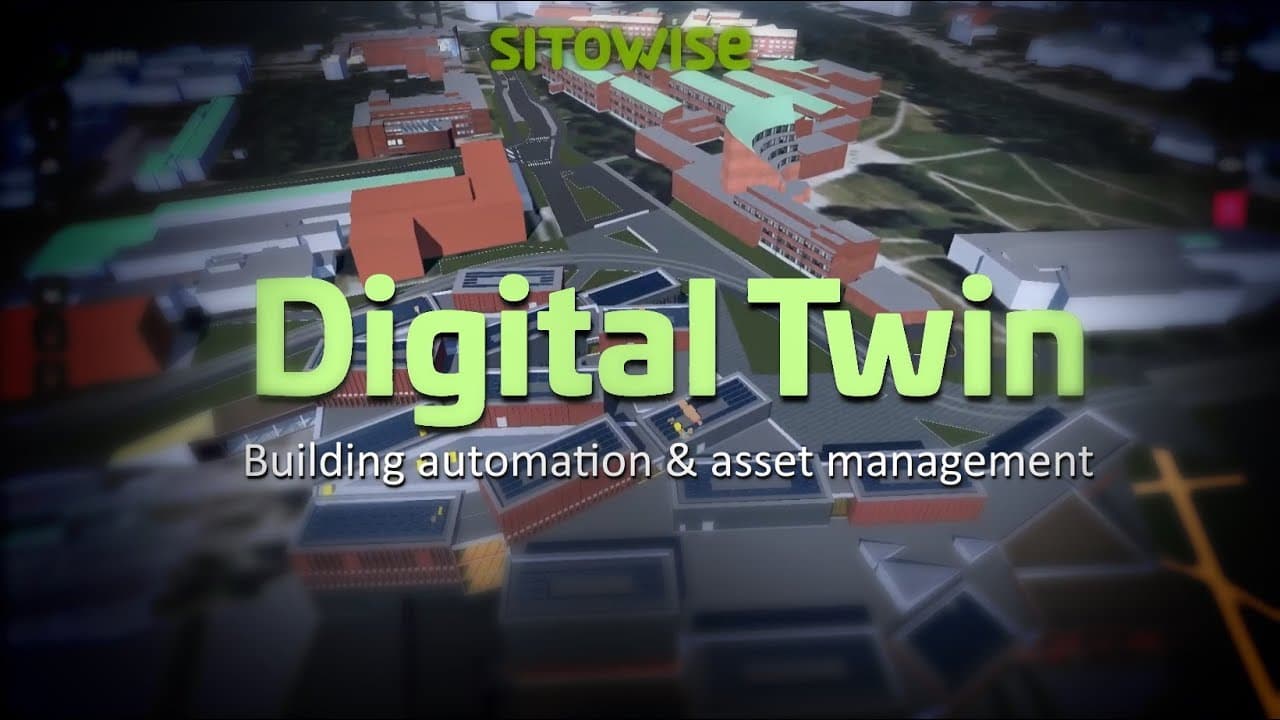
Sitowise used Unity to develop their immersive collaboration platform AURA. AURA converts abstract data into interactive, intuitive visualizations and simulations of the built environments. This empowers stakeholders to understand complex urban planning projects, simulate scenarios such as lighting, traffic, and environmental impacts, and visualize proposed changes in their actual context.
AURA’s ability to contextualize data through immersive 3D technology facilitates better communication, enhances decision-making processes, and fosters a shared understanding among city planners, architects, engineers, and residents.
3. Platform-agnostic collaboration across borders
Lack of platform-agnostic access can result in communication breakdowns, misunderstandings, and delays in decision making. Relying on complex tools and platforms without providing adequate access or training to all involved creates a significant disconnect, as not all teams are able to review updates effectively. This can lead to costly design errors and inefficiencies, impacting both revenue and project timelines.

The role of immersive 3D technology
Imagine a scenario where your director is on a flight to Seattle, your design manager is working remotely in Singapore, and you’re sitting in a coffee shop in New York. Immersive 3D technology allows all stakeholders to simultaneously provide visual feedback on project designs in real-time from mobile devices, desktops, VR headsets, or laptops.
This level of synchronous collaboration, regardless of geographical location or device, is made possible by the platform-agnostic nature of immersive 3D technologies like Unity Industry. Companies can build and deploy collaborative applications that enable stakeholders to engage in visually-aided discussions and modifications, erasing the barriers created by complex tools and lack of access or training.
Customer spotlight: Volvo Cars

Volvo Cars has been at the forefront of leveraging immersive 3D technology to enable platform-agnostic collaboration across borders. By creating highly realistic virtual environments with Unity, Volvo has developed a collaborative ecosystem that transcends geographical boundaries. Teams from various locations can seamlessly collaborate on virtual vehicle designs and simulations, regardless of their physical location or preferred platform.
Experiential real-time data visualization
Create immersive, interactive platforms that consolidate complex datasets into easily viewable models. Ensure that all stakeholders can access, understand and act on data, in real-time with Unity Industry.
Dive into article
Fill out this form to discover how immersive technology is connecting stakeholders with complex data.


