The Immersive Edge: February industry content round-up

Bex Cross - Unity Technologies
Contributor
This is The Immersive Edge, a bi-monthly blog showcasing industry content. The aim is simple: to cut through the noise and deliver insights to help drive your business forward.
Whether you’re a developer looking to optimize CAD data, a CTO planning a digital twin strategy, or a designer reimagining customer experiences, this content will help you build a roadmap for success with Unity’s tools for developers (Unity Industry) and non-technical users (Unity Studio).
Key takeaways
- The 2026 Industry Trends Report shows enterprises moving from experimentation to execution, driven by the convergence of AI, XR, and democratized 3D data.
- A three-part industrial 3D playbook series (Connect → Create → Deploy) guides teams from a single source of truth for 3D data to deploying interactive 3D applications at scale.
- New developer guides cover building interactive 3D product configurators, automating CAD optimization with Unity Asset Transformer, and accelerating XR development with Unity XR templates.
- Recent customer stories (Walmart, Mercedes-Benz, Wren Kitchens) demonstrate real business impact across immersive commerce, in-car HMI, and VR showrooms.
Let's jump in...
The strategic view: Defining the future
Before we look at the "how," we must understand the "where." What is the future of real-time applications in enterprises?
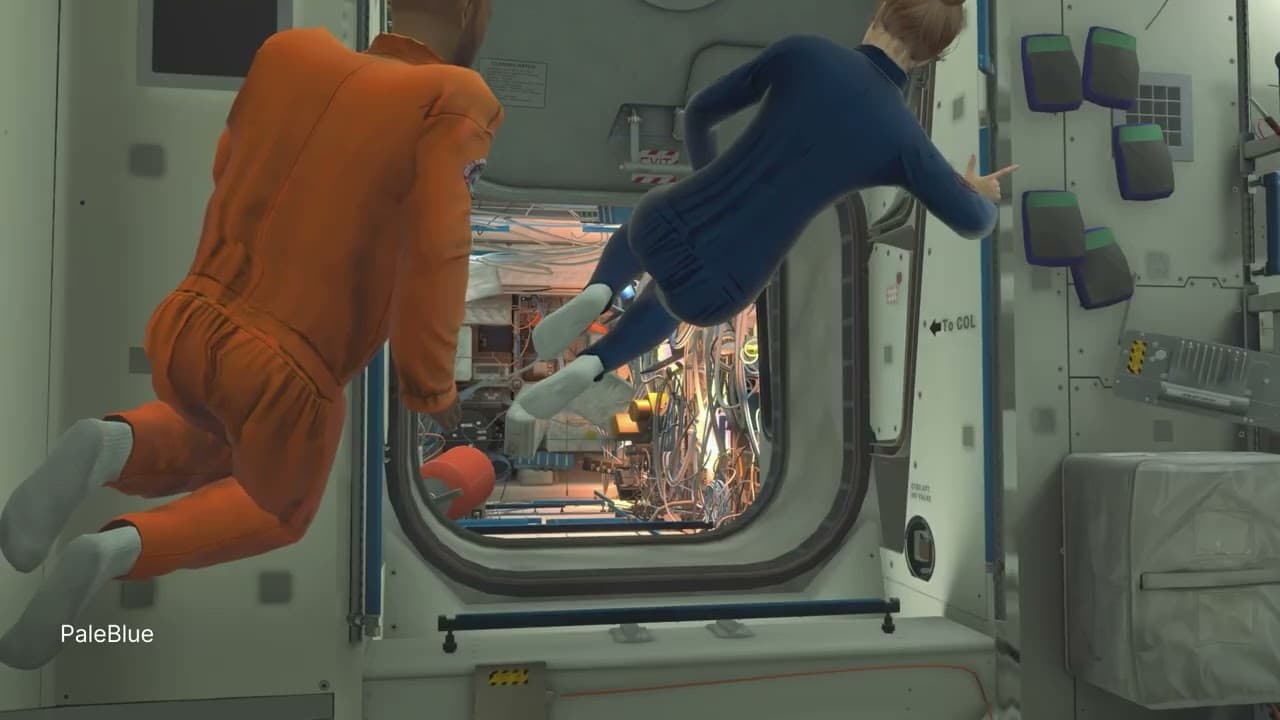
2026 Industry Trends Report
If you read only one strategic document this quarter, make it the 2026 Industry Trends Report. This isn't just a collection of predictions; it is a compilation of thought leadership from 14 pioneering companies across aerospace, healthcare, manufacturing, and automotive.
The core takeaway is clear: we’ve moved from experimentation to execution. The report details how the convergence of AI, XR, and sustainability is creating entirely new forms of business value. There’s a shift toward the democratization of 3D data, where complex information becomes accessible to everyone, not just specialists. Use this report as a glimpse into the next few years of industrial transformation.
The playbook series: From data to deployment
Having a vision is essential, but execution requires a plan. This three-part series guides engineering, training, and operations teams through the lifecycle of 3D industrial solutions.

Three comprehensive playbooks offer actionable checklists and frameworks to operationalize your 3D strategy
Playbook 1: Establishing one source of truth
The journey begins with data. This guide to connecting data for 3D industrial solutions addresses the foundational challenge of the digital age: fragmentation. Before you can build an application, you need a unified library of assets. This playbook offers expert advice on connecting disparate data sources, preparing assets for import to maintain repository health, and ensuring security and discoverability for every role. It’s about reducing non-value-added work so your teams can focus on innovation.
Playbook 2: Crafting the Experience
Once your data is unified, what do you do with it? This guide to turning connected data into interactive 3D experiences focuses on the transformation of raw data into immersive simulations. Whether you’re building training modules, design reviews, or customer experiences, this guide helps you tackle production bottlenecks. It emphasizes a crucial design philosophy: design for truth, but build for performance.
Playbook 3: Delivering at scale
The final piece of the puzzle is delivery. The Deploying interactive 3D guide tackles the "last mile" of development. A great application loses value if the target audience cannot access it easily. This playbook covers device-aware deployment strategies, ensuring your applications run smoothly whether they are accessed via a high-end VR headset or a mobile tablet in the field. It provides a roadmap for rolling out your creations at scale.
The developer’s toolkit: Technical deep dives
For the creators and technical artists bringing these visions to life, there are several practical guides to sharpen your skills and optimize your workflows.


Building interactive 3D product configurators
If you want to engage customers with interactive products, this guide is your starting point. Customization is king. This article on How to build interactive 3D product configurators walks you through the complete workflow using the Universal Render Pipeline (URP). It covers everything from importing CAD models to creating dynamic material variants that switch in real-time. Crucially, it details how to deploy these configurators to the web, ensuring they are accessible on any browser.
Save hours with Unity Asset Transformer
Automate the optimization of complex CAD files, turning massive assemblies into real-time ready assets without hours of manual labor. Industrial data is often heavy, complex, and unwieldy. This Getting started with Unity Asset Transformer guide introduces a suite of solutions designed to help you manage complex datasets. It explains the differences between the Asset Transformer Studio (for visual preparation), the Toolkit (for Unity Editor integration), and the SDK (for automated pipelines connected via API).
Accelerating development with XR templates
Jumpstart your VR, MR, and AR projects with this guide on Elevating industrial applications with Unity XR. By utilizing the XR Interaction Toolkit and pre-built templates, developers can skip the setup of basic interactions like grabbing objects or teleporting, and focus immediately on the unique value of their application. It also showcases the XR Device Simulator, which allows for rapid testing within the Editor without the need for a headset.
Success stories: Industry leaders in action


Walmart & Pigiama Kasama: The future of immersive commerce
In a groundbreaking move, Walmart partnered with game studio Pigiama Kasama to bridge the gap between virtual gaming and physical commerce. Their testimonial on immersive commerce explores "Walmart Unlimited," a series of mini-games where players can interact with digital twins of real-world products. This isn't just branding; it’s a functional commerce channel where users can inspect and buy physical goods inside a game. It represents a massive opportunity to unlock the $30 trillion physical commerce market for game developers.
Mercedes-Benz: Redefining the dashboard
The car dashboard has evolved into a digital canvas. James Liu, Head of Infotainment Platform and Experiences at Mercedes-Benz, shared how they are using Unity to power their in-car HMI (human-machine interface). From 3D instrument clusters to dancing avatars that respond to voice commands, Mercedes-Benz is turning the drive into an immersive experience. But this isn't just about entertainment; it’s about safety. High performance and responsiveness are critical to minimizing driver distraction, proving that 3D engines are more than capable of handling safety-critical automotive tasks.
Wren Kitchens: Building buyer confidence with VR
For homeowners, renovating a kitchen requires a leap of faith. You are committing to a room that doesn't exist yet. Wren Kitchens is solving this "imagination gap" with VR showrooms. This testimonial reveals how their 3D Planner application allows customers to stand inside their future kitchen, experiencing the scale and design before a single cabinet is installed. The result is a direct correlation between the VR experience and purchasing confidence.
Your turn to innovate
This content paints a vivid picture of innovation in motion. You are no longer asking if immersive technology works for your enterprise; you’re discovering how far you can take it. We hope this round-up sparks an idea for your next project.
Explore the links, read the guides, and start building. And if you’re looking for further inspiration, check out more resources. We can’t wait to see what you create next.


