Digital Twins: Video Game UI Influence

About the authors
Starr Long, Executive Producer at The Acceleration Agency, has been making video games and technology for over 30 years. During his career he helped start the MMO industry and has created some of the largest Active Digital Twins ever built. Starr was the Project Director of Ultima Online, which is now the longest running MMO in history and holds 8 Guinness World Records. Starr has led teams at Electronic Arts, The Walt Disney Company, and NCSoft. Starr currently works at The Acceleration Agency (taa.io) whose clients include Carnival Corporation, Universal, Disney, INVI Mindhealth, Circuit of the Americas, Secret Cinema, the Port of Corpus Christi and more.
Joel Bush, Revenue & Partnerships at The Acceleration Agency, co-founded Amplifier, an innovative third-party fulfillment company based in Austin, Texas, and has helped lead the firm for over 20 years. He advises both startups and established companies on growth, strategy, and shareholder value—and also leads business development and revenue efforts. Joel currently serves both The Acceleration Agency and a leading Austin nonprofit. He has also served as an advisor and mentor through SXSW, Techstars, and the Austin Music Foundation. Since 2007, he has convened a weekly Friday morning gathering of entrepreneurs, artists, and technologists in Austin.
From Pong to port simulations: How video games helped build the digital twin industry
Video games have long been seen as entertainment, escapism, or art. But step back, and a deeper insight emerges: video games were our first digital twins. For nearly 70 years, they’ve simulated space, time, physics, and systems—laying the cognitive and technical groundwork for what we now call digital twins. From Tennis for Two (1958) to the immersive environments of modern 3D engines like Unity, the lineage is direct and powerful.
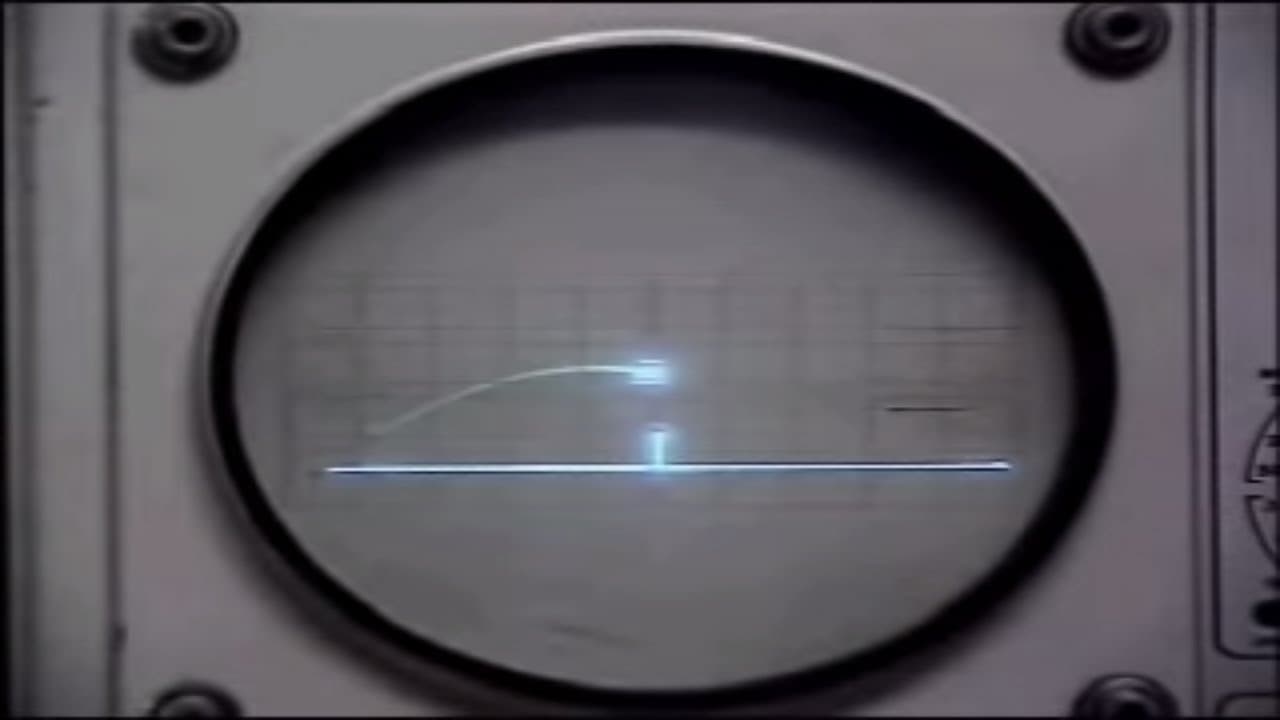
Tennis for Two - The Original Video Game
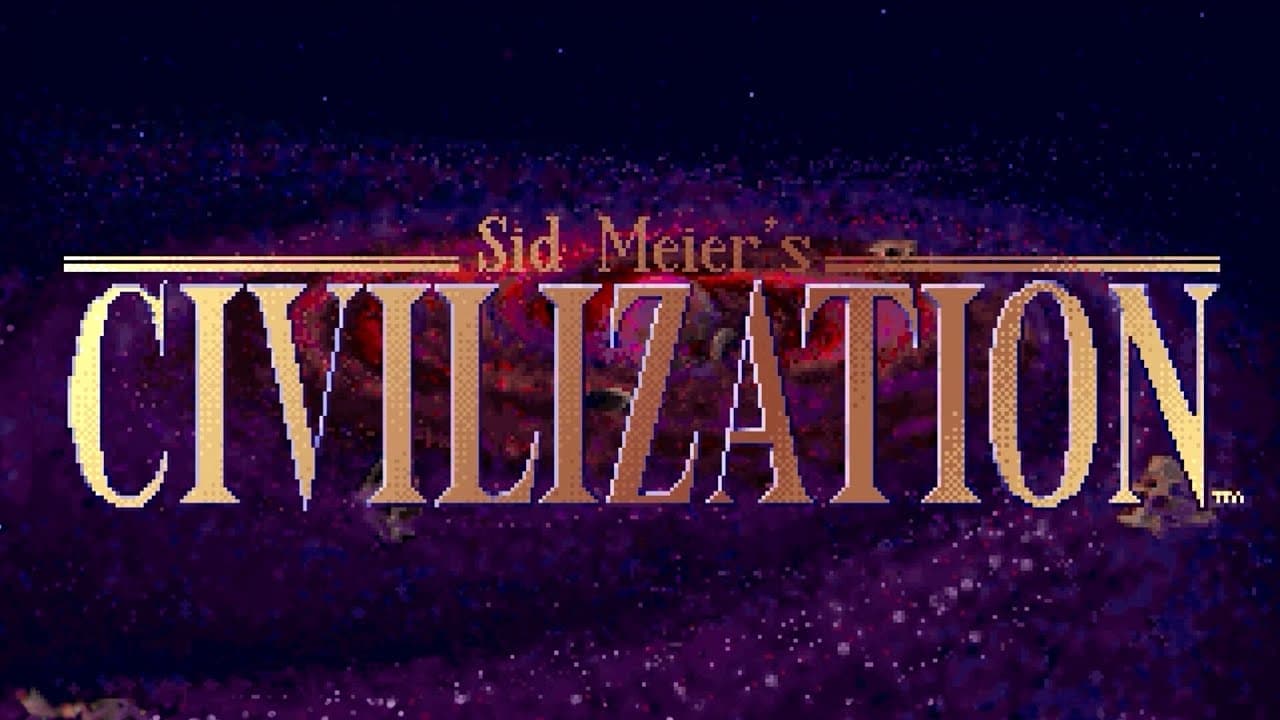
A Look Back at Civilization (1991)
This evolution didn’t happen in a lab. It unfolded on our screens and in our hands—as millions of players learned, adjusted, and explored simulated systems. And in that process, they taught the world how to interact with digital representations of physical environments.
Today, digital twins are revolutionizing industries. But their DNA—how they feel, how they behave, how we use them—can be traced back to game design. That story matters, especially for those building the next generation of industrial twins.
A brief history of video game interfaces
In the beginning, games were as simple as the machines that ran them. In the 1970s and early 1980s, user interfaces (UIs) were defined by limitation. Pong showed a score. Space Invaders blinked. Joysticks controlled everything. The UI was rudimentary but functional—information and action tightly coupled.
![Atari 2600 Longplay [015] Space Invaders](/_next/image?url=https%3A%2F%2Fimg.youtube.com%2Fvi%2F_ftVrgJTl4w%2Fmaxresdefault.jpg&w=3840&q=75)
Atari 2600 Longplay [015] Space Invaders
But as processors grew more powerful, UIs gained layers. The mid-1980s and 1990s brought color, menus, and contextual feedback. Super Mario Bros. gave us scrolling maps. The Legend of Zelda introduced inventories and dialogue trees. First-person shooters like Wolfenstein 3D and Doom required new UI conventions to help players orient themselves in space. Control mechanics evolved—mice plus keyboards and multi-button gamepads—creating new inputs and opportunities.
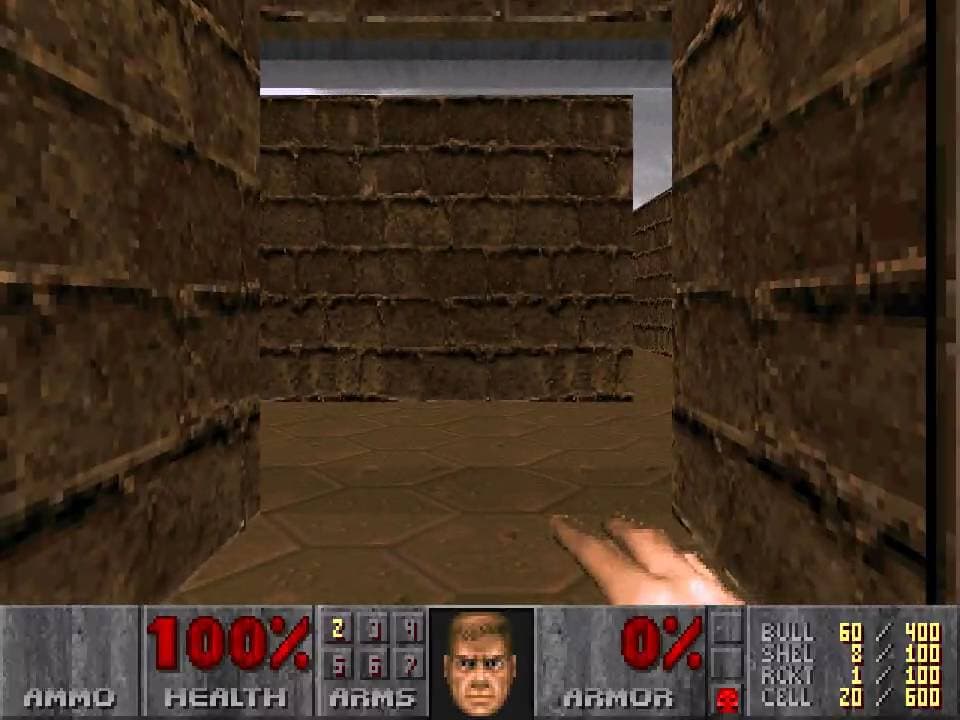
Final Doom Plutonia level 11, Hunted: Maze Route
And with each new title, a deeper idea took root: interfaces shape comprehension. The best User Interfaces didn’t just show data—they taught systems.
By the 2000s, video games entered a new phase: full immersion.
- Diegetic interfaces—UIs embedded within the game world—became popular. In Dead Space, your health bar is built into your character’s suit. In Fallout, the interface is a wrist-mounted device.
- HUDs became elegant, modular, and optional.
- Minimalist design emerged, reducing distractions and improving focus.
- Accessibility became non-negotiable.
- And with the rise of Unity, developers everywhere could create high-fidelity 3D environments with responsive, intuitive interfaces.
The result? A generation of users trained—without knowing it—to understand and navigate complex digital systems intuitively. And that brings us to digital twins.
What is a digital twin—and why now?
A digital twin is a real-time, data-connected virtual model of a physical system. It can monitor, simulate, and even predict behavior. Think of it as a living blueprint—one that responds to change, reveals insight, and helps operators make smarter decisions.
While the term has gained prominence in the last decade, its roots go deeper. Simulation, modeling, and control systems have existed for years. What’s changed is the ecosystem:
- IoT devices stream live data from machines and infrastructure.
- Cloud platforms store and process it at scale.
- Visualization tools, like Unity, render data in intuitive 3D environments.
- AI and analytics surface insights previously hidden in spreadsheets.
This convergence makes digital twins not only possible but indispensable.
The market agrees. Forecasts project the digital twin sector to balloon into the hundreds of billions within the next decade, with 30–35% compound annual growth across multiple sectors. Demand is rising fast—and use cases are multiplying.
Digital twins at work: Ports, planes, and power plants
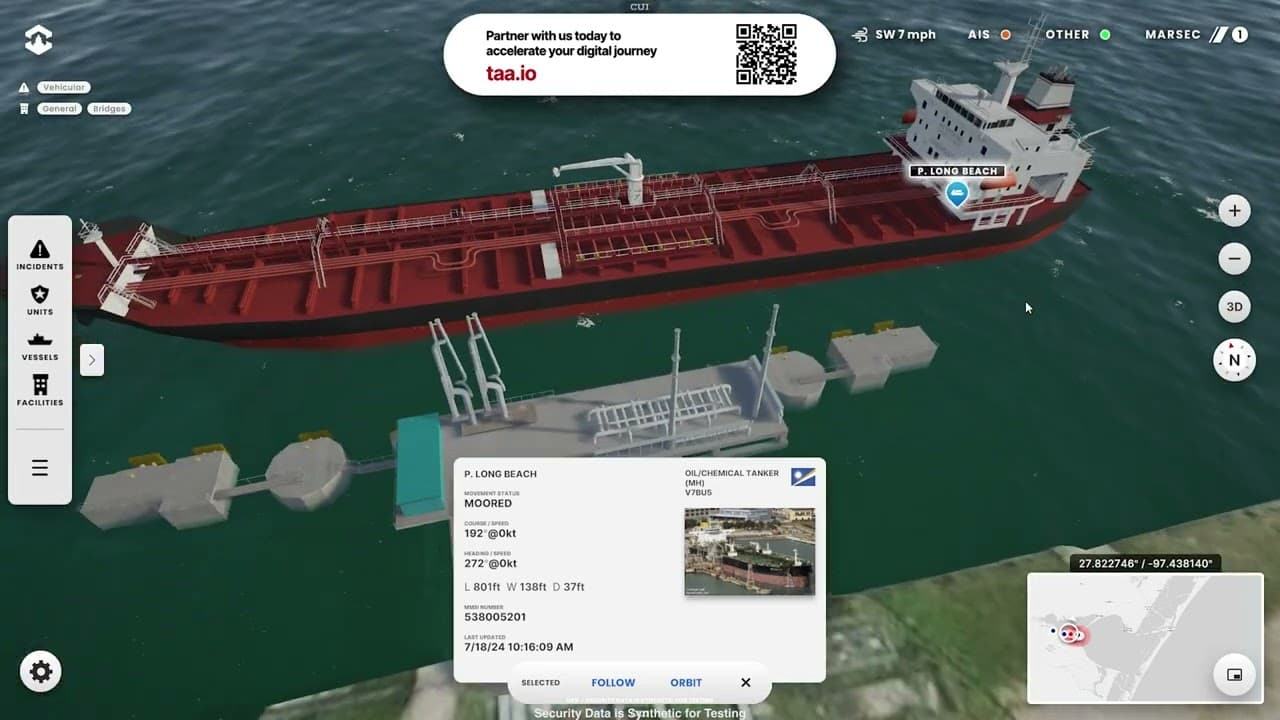
Take infrastructure. Cities like Singapore have adopted full-scale urban twins for traffic optimization, planning, and disaster resilience. At the Port of Corpus Christi, The Acceleration Agency developed a high-fidelity active digital twin—OPTICS—to monitor port operations, visualize real-time conditions, and coordinate responses across teams.
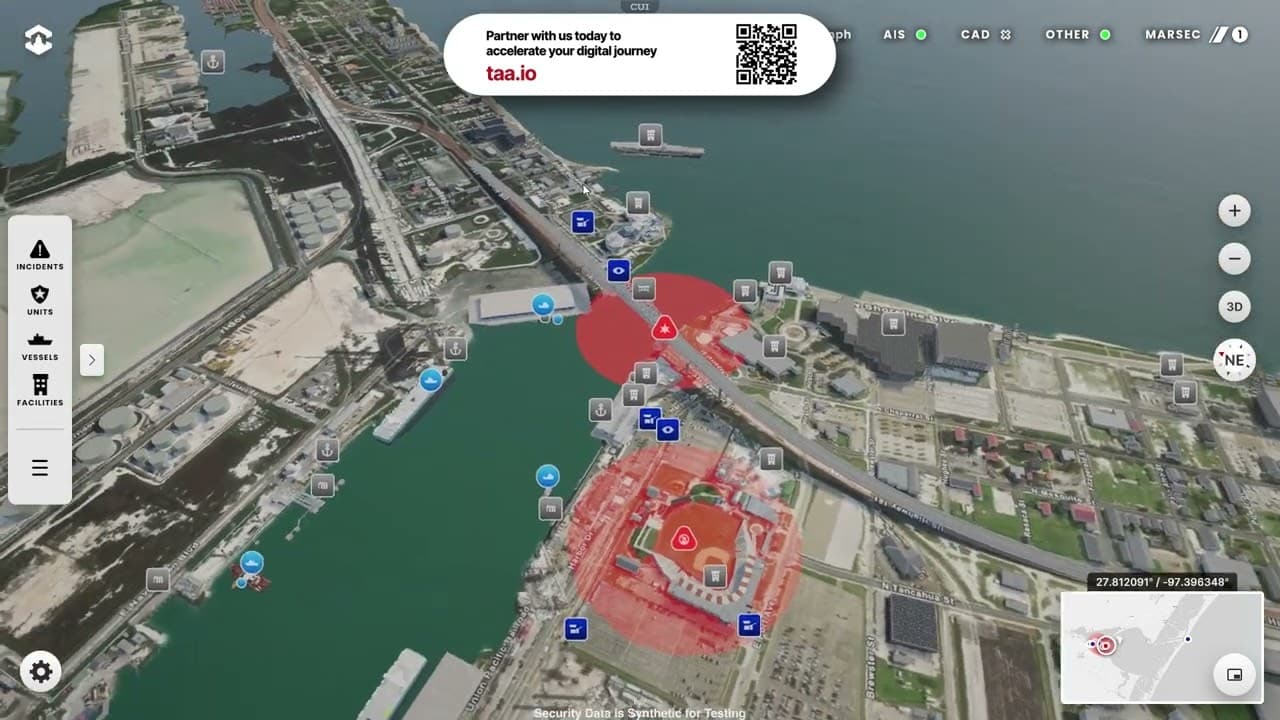
OPTICS Active Digital Twin Feature Highlights by The Acceleration Agency for Port of Corpus Christi
OPTICS was built using Esri’s ArcGIS, TAA’s ProjectGemini, and the Unity Editor, a platform better known for powering blockbuster games and VR experiences. Unity’s flexibility and performance made it the ideal engine for simulating real-world environments with dynamic data overlays. The result? A system that feels less like a dashboard and more like a command center. Teams navigate a fully 3D environment layered with live sensor feeds, alerts, and predictive indicators.
This approach—game engine meets operational data—is spreading.
- Rolls-Royce uses digital twins to simulate and monitor jet engines mid-flight.
- Ford deploys twins to test autonomous vehicle systems and optimize manufacturing
- Manufacturers use twins for predictive maintenance, factory optimization, and worker training.
No matter the sector, the promise is the same: reduce risk, improve insight, and compress the time between data and decision.
The game-changing role of game engines
Why Unity? Why use a tool built for games to model industry?
Because games solved the problem of user interaction decades ago. Unity provides more than just graphics—it offers a development framework tailored for responsive, intuitive, immersive environments. It supports:
- Real-time rendering for dynamic data.
- Cross-platform deployment (desktop, mobile, VR).
- Physics and animation engines to model real-world behavior.
- Modular design to scale applications easily.
- Community-tested UI conventions refined across thousands of projects.
For OPTICS, Unity allowed TAA to create a world that Port stakeholders could navigate naturally. Dock locations, vessel movements, weather conditions, and emergency events—all become visible and explorable. The team didn’t need to learn a new system. They just needed to step inside it.
This is co-evolution in action: game engines helping professionals understand critical systems through spatial, visual, and interactive means. Unity has recognized this shift and actively advocates for the development of industrial applications with its platform—partnering with organizations like The Acceleration Agency to showcase what’s possible when visualization, data, and design converge.
The cognitive leap: Simplifying complexity
The power of digital twins isn’t just in their data—it’s in their design. Complexity is inevitable. Confusion is optional.
Most enterprise systems are too dense. They bury insight under layers of menus, tabs, and charts. The mental effort required to decode them—known as cognitive load—drains time and energy.
Video game UIs are built to do the opposite. They reduce friction by:
- Presenting information visually, not verbally.
- Using spatial metaphors to convey relationships.
- Layering feedback in real time.
- Minimizing the need to remember; instead, they show.
These same strategies now power the best digital twins. Think of:
- HUDs showing real-time metrics unobtrusively.
- Diegetic controls embedded into virtual machines.
- Visual hierarchies guiding attention where it’s needed most.
- Iconography to reinforce meaning without language.
The result? Systems that think like humans—not systems that force humans to think like computers.
A shared language of the future
When players enter a game world, they expect to understand it quickly. When users enter a digital twin, they deserve the same.
That expectation—of immediacy, clarity, and control—was shaped by decades of game design. The same interface fluency that helped players navigate dungeons is now helping professionals navigate supply chains, city grids, and vessel traffic systems.
Unity, as a leading platform, is central to this transformation. And with projects like OPTICS, it’s clear that the boundary between games and industrial systems is no longer hard and fast. The same engines used to entertain, now empower. The same mechanics that engaged players now engage professionals.
Final thoughts: The twin path forward
The road from Pong to port simulation isn’t a straight line—it’s a long curve through decades of design, technology, and feedback. But the connection is unmistakable.
Digital twins are more than just high-tech models. They’re interactive representations of reality—ones that invite exploration, learning, and collaboration. And the best of them borrow deeply from the playbooks of game design.
At TAA, working with Unity on OPTICS is just the beginning. TAA believes that digital twins should be usable, beautiful, and powerful—and that game engines are the key to delivering on all three. By building systems that feel intuitive from the start, TAA accelerates understanding, reduces training time, and empowers better decisions.
And in the process, TAA honors an unexpected legacy: the game worlds that taught us how to understand the real one.
OPTICS Active Digital Twin by The Acceleration Agency for Port of Corpus Christi

